Source Modern Reclining Swivel Sofa Chair for Hotel, Bedroom, and Bar
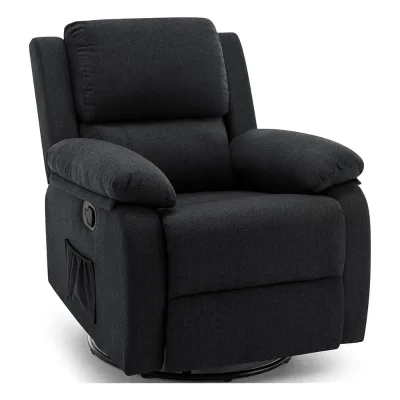
Explore 30 options for the modern reclining swivel sofa chair, featuring high-back designs with sponge padding and wood or metal frames. Compare specifications like dimensions and materials including genuine leather, PU, and fabric to find suitable pieces for hotels, bedrooms, and bars.
Key considerations
Products List


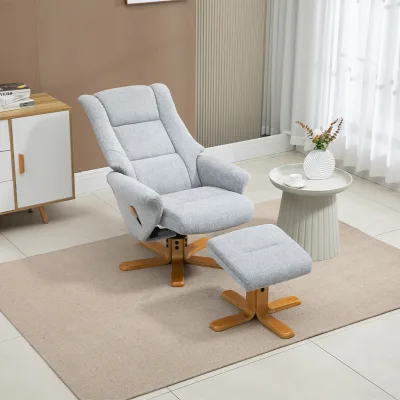


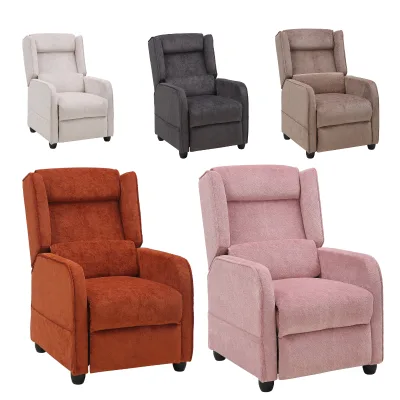


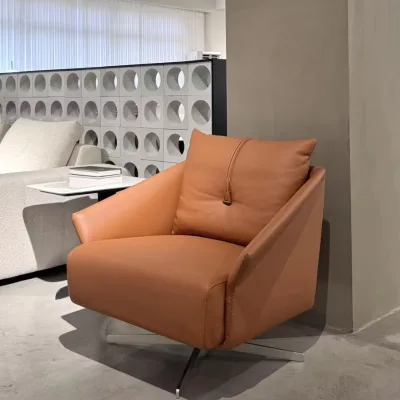
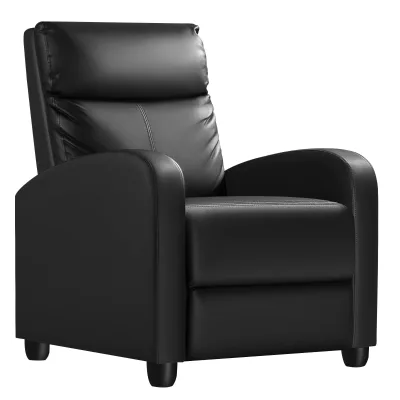



Comprehensive Sourcing Guide
Modern Reclining Swivel Sofa Chair Sourcing Guide
Sourcing modern reclining swivel sofa chairs requires a careful balance of aesthetic appeal, mechanical reliability, and commercial viability. These pieces serve as statement furniture in high-traffic environments such as hotels, lounges, and premium residential spaces. Buyers must prioritize chairs that combine contemporary design with robust engineering to ensure longevity. The market offers a variety of configurations, from fixed frames to fully rotary mechanisms, each presenting distinct installation and maintenance considerations. Understanding these variations is the first step in building a successful procurement strategy.
The visual and functional diversity in this category demands precise specification alignment. Listings often highlight features like high backs, sponge padding, and customizable colors to attract diverse interior design projects. However, visual appeal must be backed by structural integrity and comfortable ergonomics. Procurement teams should evaluate how the chair’s dimensions fit the intended space while ensuring the reclining and swivel functions operate smoothly. This guide outlines the critical technical, commercial, and quality assurance steps necessary to source these complex furniture items effectively and mitigate supply chain risks.
Product Scope and Observed Listing Signals
The current market landscape for modern reclining swivel chairs reveals a wide spectrum of material choices and design attributes. Suppliers frequently offer frames constructed from wood or metal, paired with upholstery options ranging from genuine leather to PU and fabric. Observed listings indicate a strong emphasis on customization, with many manufacturers accepting OEM and ODM requests to tailor colors, materials, and dimensions. This flexibility allows buyers to align products with specific brand identities or interior themes, such as white, orange, or grey finishes, while maintaining a cohesive modern aesthetic across large orders.
Functional specifications vary significantly across different product models, influencing both user experience and logistical planning. Some units feature rotary mechanisms for 360-degree movement, while others are fixed, impacting the chair’s versatility in open-plan spaces. Dimensions observed in listings range from compact living room chairs to larger leisure seats, with standard sizes like W77D93H104cm or metric equivalents like 9301030920 mm. Buyers must verify these exact measurements against their floor plans, as the inclusion of armrests, high backs, and reclining mechanisms adds substantial volume and weight, affecting shipping costs and handling requirements.
Technical Specifications to Verify
Mechanical reliability is the most critical technical factor when sourcing reclining swivel chairs, as these components are subject to frequent use. Buyers must verify the quality of the swivel base and the reclining mechanism, ensuring they are rated for the expected frequency of operation. The frame material, whether wood or metal, must provide adequate support for the padding and upholstery without flexing or creaking. It is essential to request detailed engineering drawings or material certificates for the internal mechanisms to confirm durability, especially for high-traffic applications like hotel lobbies or dining areas where the chairs will see constant rotation and adjustment.
Upholstery and padding specifications directly impact comfort and maintenance costs. The type of sponge used for padding should be evaluated for density and resilience to prevent premature sagging. Cover materials, including genuine leather, PU, or fabric, must be assessed for abrasion resistance and ease of cleaning. Buyers should confirm whether the fabric is treated for stain resistance and if the leather is top-grain or bonded, as these factors significantly affect the product’s lifespan. Additionally, verifying the stability of the base and the smoothness of the swivel action under load is crucial to ensure user safety and satisfaction.
Compliance and Safety Documentation
Safety standards for furniture, particularly those with moving parts, are paramount to avoid liability issues. Buyers must ensure that the reclining and swivel mechanisms comply with relevant international safety regulations, such as those governing stability and pinch points. Documentation should include test reports from accredited laboratories verifying that the chair meets structural integrity requirements under dynamic loading conditions. This is especially important for chairs intended for commercial use, where higher usage frequencies and diverse user weights necessitate rigorous safety validation to prevent mechanical failure or tipping hazards.
Flammability and chemical safety standards are equally critical, particularly for upholstery materials used in public spaces. Buyers should request certificates confirming that fabrics and leathers meet flammability standards like CAL 117 or equivalent regional regulations. Additionally, chemical compliance, such as OEKO-TEX certification for textiles, ensures that the materials are free from harmful substances, protecting both end-users and the brand’s reputation. Verifying these certifications early in the sourcing process helps avoid costly delays and ensures that the products can be legally sold and installed in target markets without regulatory hurdles.
Cost Drivers and Commercial Terms
Pricing for modern reclining swivel chairs is influenced by material quality, mechanical complexity, and customization levels. Observed price ranges vary widely, reflecting differences in frame construction, upholstery type, and mechanism sophistication. Buyers should anticipate higher costs for genuine leather and complex rotary mechanisms compared to fabric and fixed frames. Minimum order quantities (MOQs) also play a significant role in pricing, with some suppliers offering lower unit costs for larger orders, typically starting from 10 sets or more. Understanding these cost drivers helps in budgeting accurately and negotiating favorable terms based on volume commitments.
Payment terms and lead times are key commercial factors that impact cash flow and project timelines. Standard practices often include a 30% advance payment via TT, with the balance due before shipment. Lead times can range from 15 to 61 days, depending on the level of customization and production capacity. Buyers must align these timelines with their project schedules, accounting for potential delays in material sourcing or production bottlenecks. Clear communication regarding packing methods, such as carton or mail-order packaging, is also essential to estimate freight costs and ensure safe delivery of fragile components like swivel bases.
Supplier Qualification and Quality Control
Supplier qualification is the foundation of a reliable supply chain for complex furniture items. Buyers should conduct thorough due diligence, verifying the supplier’s manufacturing capabilities, quality management systems, and past performance in similar projects. Requesting references from previous clients, particularly those in the hospitality or commercial sectors, provides insight into the supplier’s reliability and after-sales support. It is also advisable to audit the factory’s production lines to assess their ability to maintain consistent quality across large batches, especially for customized orders with specific material and design requirements.
Quality control protocols must be rigorous to prevent defects in mechanical and aesthetic components. Buyers should implement pre-shipment inspections that check the functionality of reclining and swivel mechanisms, the integrity of the frame, and the quality of upholstery stitching. Sampling is crucial for custom orders to verify color accuracy, material texture, and dimensional compliance before mass production begins. Establishing clear acceptance criteria and defect tolerance levels in the contract ensures that both parties have a shared understanding of quality expectations, reducing the risk of disputes and returns.
Long-Term Procurement Checks
Long-term success in sourcing reclining swivel chairs depends on establishing strong supplier relationships and continuous performance monitoring. Buyers should regularly review supplier performance metrics, including on-time delivery rates, defect rates, and responsiveness to issues. Building a partnership with suppliers who offer consistent quality and flexible support can lead to better pricing and priority treatment during peak seasons. Additionally, staying informed about industry trends and new material innovations allows buyers to continuously improve their product offerings and meet evolving customer demands for comfort and style.
After-sales support and warranty terms are critical for maintaining customer satisfaction and brand reputation. Buyers must ensure that suppliers provide adequate warranty coverage, typically three years or more, for mechanical components and upholstery. Clear procedures for handling defects, including spare parts availability and repair guidelines, should be established in advance. Regular feedback loops with end-users can provide valuable insights into product performance and potential improvements, enabling buyers to refine their specifications and select the most suitable products for future procurement cycles.
FAQs
How long does delivery usually take for a modern reclining swivel sofa chair order?
Delivery typically ranges from 15 to 61 days depending on the model and order complexity. Simpler stock-configured chairs with mail order packaging can ship within about 15 to 30 days, while customized or project orders generally need 30 to 61 days. Confirm the exact schedule with the supplier before placing your order, since customization choices and order volume affect production time.
What customization options are available for this chair?
Customization is available on most models, with OEM orders accepted and business scope covering OEM, ODM, distribution, and project customization. You can typically adjust the cover material between leather, PU, or fabric, and select colors such as white, orange, grey, or a custom shade. Note that some listed models are non-customized, so verify options for the specific model you want.
What materials and construction are used in the frame and padding?
Listed chairs generally use a wood frame with sponge padding, though some models feature a metal frame. Cover materials vary between genuine leather, PU, and fabric, letting you match the chair to hotel, bedroom, dining, or living room settings. All chairs are new, high back, with armrests, modern seat styling, and are packed in cartons suitable for shipping.
What are the typical dimensions and models available?
Several models are shown with published specifications: BRC-348 at W77xD93xH104cm, BRC-114 at 63.5x90x100cm (also listed as W69xD90xH100cm), BRC-116 at W65xD97xH100cm, and BD-D105 at 930x1030x920mm. Model BD-Y80 measures 720x850x650mm. Compare these dimensions against your room layout before ordering, since a high back chair needs extra clearance.
Which payment terms and minimum order quantities should I expect?
A common payment term is a 30 percent T/T deposit in advance with the balance before shipment. Minimum order quantities vary widely, from single-piece trials up to 10 sets for some ranges, so small buyers and project purchasers can both be accommodated. Always confirm MOQ and payment conditions directly with the supplier for the exact model and customization level.
Can I order samples or small trial quantities before bulk purchasing?
Yes, many listings support low MOQs starting at one piece, and mail order packaging makes small trial shipments practical. Ordering a sample first lets you verify the frame, sponge padding, cover material, and swivel mechanism quality. Keep in mind that customized orders usually require the full production cycle, so factor lead times into your evaluation before committing to a larger order.